
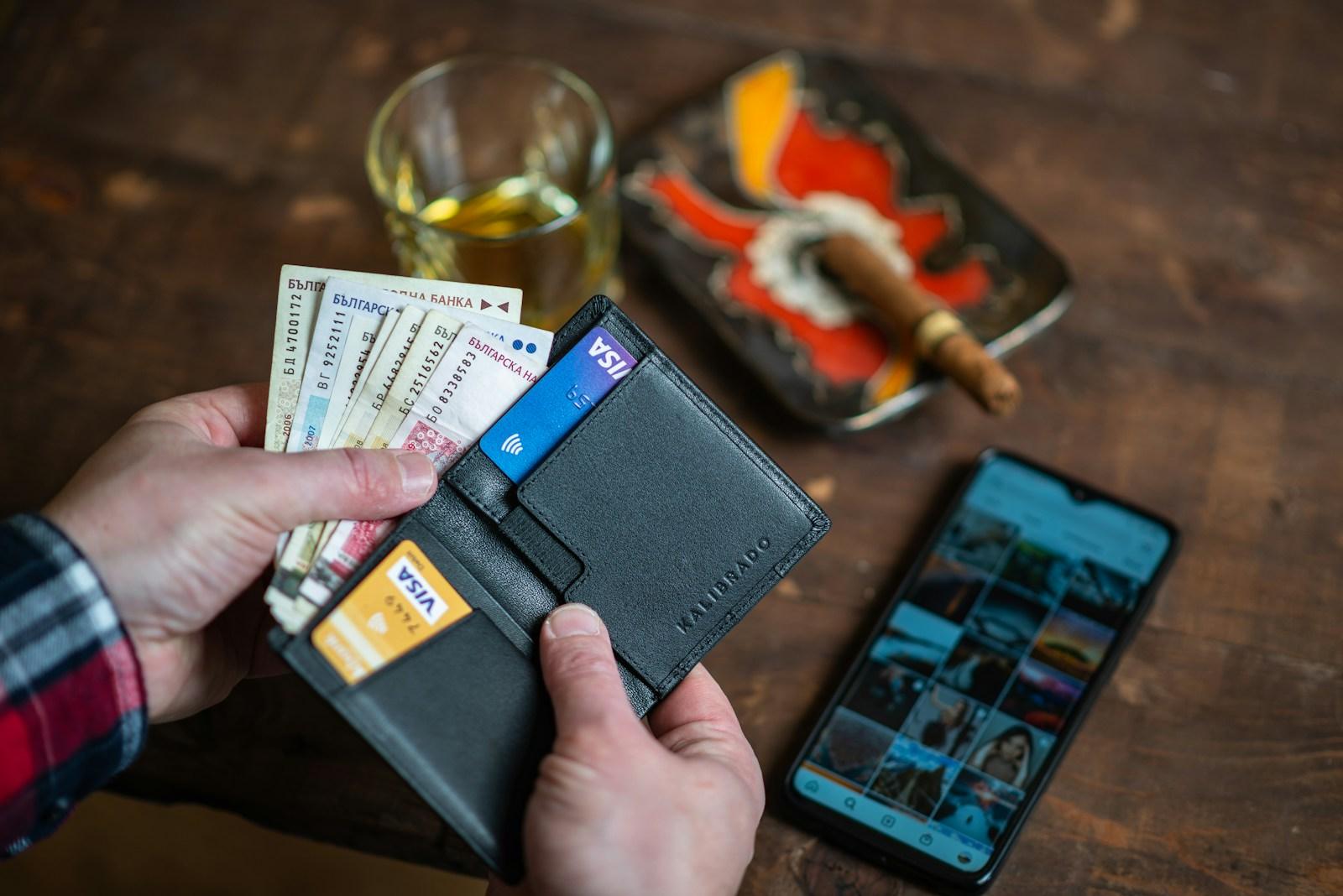
Managing money effectively requires discipline, organization, and the right tools. With rising living costs and financial uncertainty, many people turn to apps that help track spending, create budgets, and build savings. These apps simplify financial management by offering real-time insights, reminders, and automated features. Choosing the right app depends on personal goals, whether reducing debt, saving for a big purchase, or simply understanding where money goes each month. Here are some of the best apps for tracking and saving money in 2026.
Mint
Mint is one of the most popular budgeting apps. It connects to bank accounts, credit cards, and loans, automatically categorizing transactions. Users can view spending patterns, set budgets, and receive alerts when bills are due. Mint also provides free credit score monitoring, helping users understand their financial health.
The app’s strength lies in its simplicity. Beginners find Mint easy to use, while advanced users appreciate detailed reports. Mint is free, supported by ads and financial product recommendations. For anyone starting their financial journey, Mint offers a comprehensive overview without requiring payment.
YNAB (You Need a Budget)
YNAB is designed for proactive budgeting. The app encourages users to assign every dollar a purpose, promoting intentional spending. YNAB focuses on building financial awareness, helping users break the paycheck-to-paycheck cycle.
Features include goal tracking, debt payoff tools, and real-time syncing across devices. YNAB requires a subscription, but many users find the cost worthwhile due to the savings it generates. The app’s philosophy emphasizes control, teaching users to prioritize needs and plan for future expenses.
PocketGuard
PocketGuard simplifies budgeting by showing how much money is “safe to spend” after accounting for bills, goals, and necessities. The app connects to financial accounts, tracks spending, and identifies opportunities to save.
One standout feature is its ability to analyze recurring subscriptions. PocketGuard highlights unused or unnecessary services, allowing users to cancel and save money. The app also offers personalized tips for reducing expenses. For individuals who want quick insights without complex budgeting, PocketGuard provides clarity and actionable advice.
Goodbudget
Goodbudget uses the envelope system, a traditional budgeting method adapted for digital use. Users allocate money into virtual envelopes for categories such as groceries, rent, or entertainment. Spending is tracked against these envelopes, ensuring that budgets remain balanced.
Unlike apps that connect directly to accounts, Goodbudget requires manual entry. This encourages mindfulness, as users actively record transactions. The app is ideal for couples or families, since envelopes can be shared across devices. Goodbudget offers both free and paid versions, making it accessible to different users.
Acorns
Acorns focuses on saving and investing. The app rounds up purchases to the nearest dollar and invests the spare change into diversified portfolios. This micro-investing strategy allows users to build wealth gradually without noticing the impact on daily spending.
Acorns also offers retirement accounts, checking accounts, and educational content. For beginners who want to start investing with minimal effort, Acorns provides an easy entry point. The app charges a small monthly fee, but many users find the automated savings and investment features valuable.
Digit
Digit automates savings by analyzing spending habits and transferring small amounts into savings accounts. The app ensures that transfers do not disrupt budgets, making saving effortless. Digit also offers goal-based savings, such as vacations or emergency funds.
Users appreciate the app’s ability to save without requiring manual effort. Digit charges a subscription fee, but its automation often results in higher savings than traditional methods. For individuals who struggle to save consistently, Digit provides discipline through technology.
Personal Capital
Personal Capital combines budgeting with investment management. The app tracks spending, categorizes expenses, and provides insights into cash flow. It also offers tools for retirement planning, investment analysis, and net worth tracking.
Personal Capital is ideal for users who want a holistic view of finances. It connects to bank accounts, credit cards, and investment portfolios, providing detailed reports. The app is free for basic features, with optional advisory services for advanced investment management.
Honeydue
Honeydue is designed for couples managing finances together. The app allows partners to share budgets, track expenses, and set bill reminders. Honeydue supports multiple currencies, making it useful for international couples.
Communication features set Honeydue apart. Couples can comment on transactions, discuss budgets, and coordinate financial goals within the app. Honeydue is free, supported by optional financial product recommendations. For couples seeking transparency and collaboration, Honeydue strengthens financial teamwork.
Qapital
Qapital focuses on goal-based savings. Users create rules that trigger savings, such as rounding up purchases or saving when specific actions occur. The app gamifies saving, making it engaging and fun.
Qapital also offers budgeting tools and investment options. Its flexibility allows users to customize savings strategies based on personal habits. The app charges a subscription fee, but many users find the motivation and creativity worth the cost.
Empower
Empower combines budgeting, saving, and financial coaching. The app tracks spending, identifies opportunities to save, and provides personalized advice. Empower also offers cash advances and high-yield savings accounts.
One unique feature is access to financial coaches who provide guidance through chat. This human element adds value, helping users make informed decisions. Empower charges fees for certain services, but its combination of technology and coaching appeals to users seeking personalized support.
Wally
Wally is a global budgeting app that supports multiple currencies and languages. It allows users to track expenses, set budgets, and monitor savings goals. Wally emphasizes customization, enabling users to create categories and personalize reports.
Unlike some apps, Wally does not require linking accounts. Users manually enter transactions, promoting awareness and control. Wally is free, making it accessible to students, families, and international users.
Why Money Apps Matter
Money apps provide more than convenience. They empower individuals to understand spending, reduce debt, and build savings. Automated features reduce stress, while real-time insights promote accountability. Apps also encourage financial literacy, teaching users to plan for long-term goals.
According to the Consumer Financial Protection Bureau, households that use budgeting and savings apps report significant improvements in financial stability. This demonstrates that technology can transform money management.
Building Long-Term Stability
Accessing money apps is often the first step toward stability. Users should choose apps that align with goals, whether saving for emergencies, investing for retirement, or managing daily expenses. Combining apps with financial counseling, education, and discipline strengthens resilience.
Money apps in 2026 provide critical support for individuals and families. Mint, YNAB, PocketGuard, Goodbudget, Acorns, Digit, Personal Capital, Honeydue, Qapital, Empower, and Wally all offer unique features. Choosing the right app requires evaluating needs, preferences, and costs.
These apps are not just about tracking and saving. They are about opportunity, independence, and resilience. Users who access them can reduce stress, build wealth, and create stronger futures.
Leave a Reply